

How AI Is Helping Facilities Teams
Build Safer, Smarter Workplaces
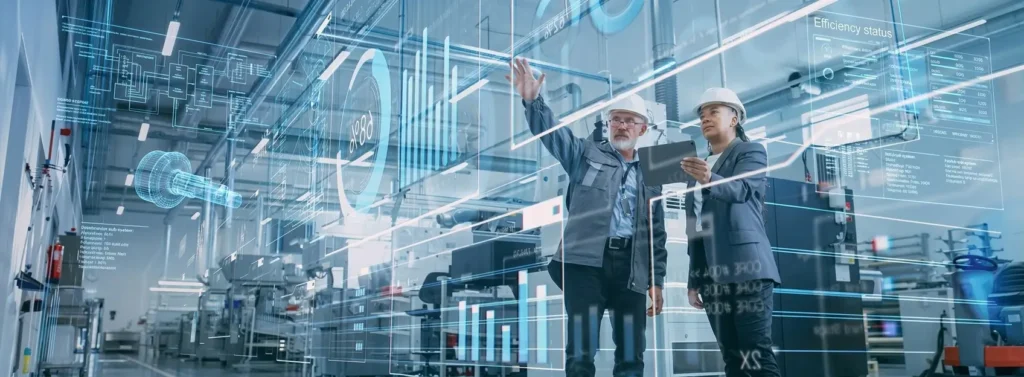
Facilities management is no longer simply about maintaining buildings, managing contractors or responding when something goes wrong. Today, facilities teams are expected to create environments that are safe, efficient, compliant and responsive to the needs of employees, visitors and contractors.
As workplaces become more complex, Artificial Intelligence (AI) is emerging as a valuable technology to help facilities professionals make better-informed decisions and identify potential risks earlier.
Moving from Reactive to Proactive Safety
Many facilities operations still depend on manual inspections, spreadsheets, scheduled maintenance and incident reports. While these processes remain important, they can make it difficult to identify patterns across large amounts of operational information.
AI can help change this approach.
By analysing data from multiple sources, intelligent systems can identify recurring incidents, unusual activity, maintenance trends and potential areas of concern. This enables facilities teams to investigate risks before they develop into more serious problems.
The goal is not simply to respond faster, but to become more proactive about workplace safety.
Supporting People, Not Replacing Them
Facilities management is fundamentally a people-focused function. Behind every building, maintenance schedule, security operation and safety procedure are people making decisions every day.
AI should support those people rather than replace human judgement.
For facilities managers overseeing multiple sites, teams and contractors, AI-powered technology can help organise information, highlight priorities and provide useful operational insights. This can reduce the time spent searching through records and allow teams to focus on solving problems and improving safety.
Smarter Incident and Risk Management
Effective safety management requires organisations to understand not only what happened, but why it happened.
Digital incident reporting combined with intelligent data analysis can help identify trends across locations, shifts and types of incidents. For example, repeated reports involving access control, equipment failures or specific areas of a building could indicate a wider issue requiring attention.
This creates an opportunity to move beyond simply recording incidents towards understanding patterns and preventing recurrence.
Protecting Lone and Mobile Workers
Facilities operations can also involve employees working alone or away from immediate support. Maintenance engineers, security personnel, cleaners, contractors and inspection teams may regularly work in isolated locations or outside standard working hours.
Technology can provide additional protection through features such as emergency alerts, check-ins, location tracking, welfare monitoring and two-way communication.
Combined with intelligent monitoring and data analysis, these capabilities can give organisations greater visibility of workforce activity while helping employees feel more confident that support is available when required.
Building the Future of Facilities Management
AI is not a replacement for experienced facilities professionals. Its value lies in helping them see more, respond more effectively and make better-informed decisions.
For organisations, combining AI with digital workforce and safety technology can create facilities operations that are more connected, proactive and resilient.
The future of facilities management is therefore not simply about smarter buildings. It is about creating safer workplaces for the people who depend on them every day.
At Sentinel Technologies Ltd, we believe technology should have a practical purpose: helping organisations improve operational visibility, strengthen workforce safety and manage risk with greater confidence.
The future is smarter. The priority remains people.